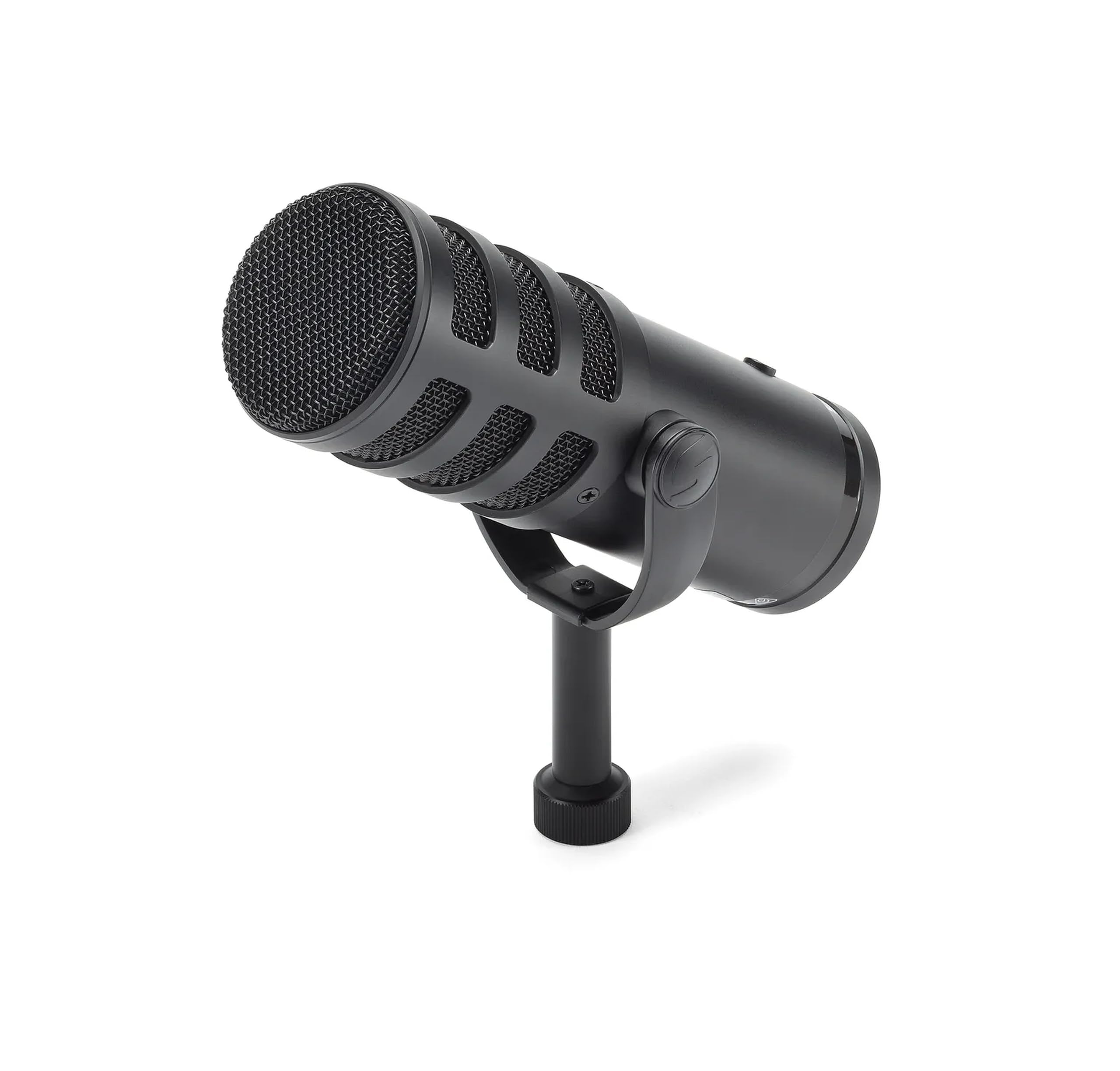
The SAMSON Q9U XLR/USB Dynamic Broadcast Microphone review centers on a useful choice for creators: record directly to a computer over USB-C, or connect through XLR to a mixer or interface.
Its dynamic capsule, headphone monitoring, mute switch, and built-in wind protection make it a practical fit for spoken-word recording and flexible home setups.
Samson Q9U Review Summary
The quick verdict
600+ ratings
Read Amazon ReviewsSamson Q9U
A flexible dynamic microphone for podcasters, streamers, and home recordists who want direct USB recording alongside an XLR setup.
- Dynamic capsule with a neodymium magnet and XLR analog output plus USB-C.
- USB recording uses a built-in 24-bit/96 kHz analog-to-digital converter and works with Mac or Windows without driver downloads.
- Cardioid polar pattern designed to keep sound from the front prominent and reduce ambient pickup from other directions.
- Zero-latency headphone monitoring for hearing the microphone signal in real time.

Pros
- USB-C and XLR make it adaptable to both direct computer recording and interface-based workflows.
- The USB path includes high-resolution digital conversion without requiring driver downloads.
Consider before buying
- The two connection options serve different workflows, so buyers should decide whether they expect to use USB, XLR, or both before planning the rest of the setup.
- The described package does not specify a stand or mounting hardware; check what is included and whether it suits your desk or boom-arm arrangement.
Read the full review summary
The Q9U combines two connection paths in one dynamic broadcast microphone. USB-C provides direct digital recording to Mac or Windows without driver downloads, while XLR supports integration with a mixer or audio interface.
Its 24-bit/96 kHz converter, cardioid pickup, and zero-latency headphone monitoring give a solo creator useful tools without requiring an all-in-one recording system.
It is best suited to podcasters, streamers, and home recordists who want a mic that can serve a simple computer-based setup and adapt to a more developed audio chain.
The included mute switch affects both outputs, and the internal shock mount and dual-layer windscreen address common handling and plosive concerns. Buyers should still plan their stand, positioning, and monitoring setup around their own workspace.
The buying factors
Samson Q9U Scorecard
Editorial scores reflect listed features and buyer fit; they are not laboratory measurements or customer ratings.
Connection flexibility
USB-C and XLR cover direct computer recording as well as mixer or interface setups.
Digital recording capability
The built-in converter supports 24-bit/96 kHz recording to Mac or Windows without driver downloads.
Voice-focused pickup
The cardioid pattern is designed to favor sound from the front and limit off-axis pickup.
Monitoring and control
Zero-latency headphone monitoring and a physical mute switch make live recording easier to manage.
Plosive and handling provisions
A dual-layer windscreen and internal pneumatic shock mount address two common sources of unwanted noise.
Setup adaptability
The mic is designed to work in solo and multi-host recording environments, with either USB or XLR routing.
Key Features and Specifications of Samson Q9U
- Dynamic capsule with a neodymium magnet and XLR analog output plus USB-C.
- USB recording uses a built-in 24-bit/96 kHz analog-to-digital converter and works with Mac or Windows without driver downloads.
- Cardioid polar pattern designed to keep sound from the front prominent and reduce ambient pickup from other directions.
- Zero-latency headphone monitoring for hearing the microphone signal in real time.
- Onboard mute switch silences the microphone signal to both the XLR and USB outputs.
- Internal pneumatic shock mount and dual-layer windscreen help address mechanical noise and plosive sounds.
Pros and Cons of Samson Q9U
Pros
- USB-C and XLR make it adaptable to both direct computer recording and interface-based workflows.
- The USB path includes high-resolution digital conversion without requiring driver downloads.
- Real-time headphone monitoring and a physical mute switch are useful during live sessions.
- The cardioid design, internal shock mount, and dual-layer windscreen address practical recording concerns.
Consider before buying
- The two connection options serve different workflows, so buyers should decide whether they expect to use USB, XLR, or both before planning the rest of the setup.
- The described package does not specify a stand or mounting hardware; check what is included and whether it suits your desk or boom-arm arrangement.
- The product information does not detail the headphone connection or its controls, so confirm those particulars if monitoring is central to your workflow.
Who Should Buy Samson Q9U?
Good fit
Consider the Q9U if you want one dynamic mic to cover a straightforward USB recording setup now and an XLR-based recording chain later.
That flexibility can be helpful for solo creators who may move from direct computer recording to a mixer or audio interface, or for studios that need the option to route through different equipment.
It also suits spoken-word work where front-facing pickup, a mute control, and live headphone monitoring are useful.
The internal shock mount and layered windscreen are thoughtful provisions for a desk or broadcast environment, though mic placement and room conditions will still shape the recording.
Before buying, check that the microphone's mounting arrangement works with your existing stand or arm and confirm the headphone setup meets your needs.
If you plan to use XLR, make sure your interface or mixer has an appropriate input and that the overall chain fits your recording plan.
Who should skip it
Skip it if you specifically need a microphone with a stand or arm included and are unwilling to source mounting hardware separately. The supplied product details do not establish what mounting pieces come in the package.
It may not be the right fit if you want a wireless mic or a model focused on visible lighting and gaming-oriented controls; those are not part of the described Q9U feature set.
How the Samson Q9U fits a flexible recording setup
USB now, XLR when the setup grows
The dual outputs are the central buying advantage. USB-C connects directly to a computer and handles digital conversion inside the microphone, while XLR gives the Q9U a place in a setup built around a mixer or interface.
That makes it easier to choose a recording path based on the gear already on hand and the kind of system a creator wants to build.
A voice-oriented pickup pattern
A cardioid pattern is intended to favor sound arriving from the front, which can help keep a host's voice central when the mic is positioned and aimed appropriately.
Its off-axis rejection and ambient pickup characteristics are relevant in a home recording space, but the description does not establish how it will perform in any particular room. Placement and background noise remain practical factors.
Controls for live sessions
Zero-latency headphone monitoring lets a speaker hear their voice in real time, and the physical mute switch silences both output paths. That can make recording or streaming easier to manage without relying solely on software controls.
Check the headphone connection and control arrangement against your preferred monitoring routine before choosing it.
Built-in measures for cleaner speech
The internal pneumatic shock mount is intended to isolate the capsule from mechanical noise, while the dual-layer windscreen is designed to reduce popping and plosives. These features address common close-mic issues for speech and broadcast work.
They are useful design choices, though they do not remove the need to position the mic thoughtfully or manage the surrounding recording environment.
Alternatives to Samson Q9U
Multipurpose Dynamic Microphones alternative
5,000+ ratings
Read Amazon ReviewsSamson Q2U
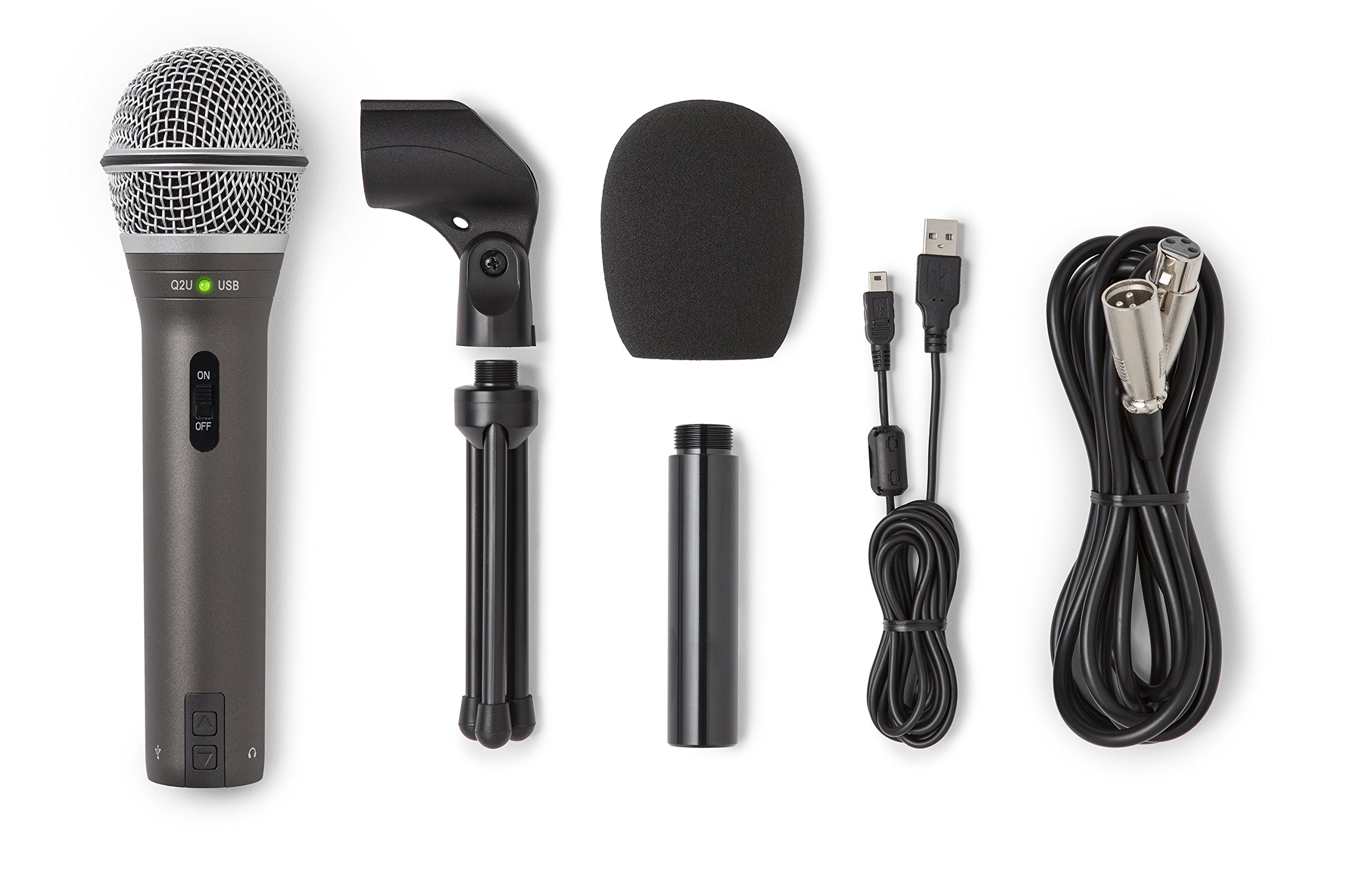
Choose the Q9U if its described monitoring, mute, and digital recording features better match your workflow. Consider the Q2U if you prefer a handheld design and want the listed stand and connection accessories bundled with the mic.
- The Q2U is a handheld dynamic microphone with USB-C and XLR.
- Its listed pack includes a desktop tripod stand, tripod extension, mic clip, windscreen, USB-C cable, and XLR cable.
- The Q9U offers USB-C and XLR, high-resolution USB conversion, real-time headphone monitoring, and an onboard mute switch.
Multipurpose Dynamic Microphones alternative
3+ ratings
Read Amazon ReviewsRode PodMic with floor stand and XLR cable
The Q9U is the more adaptable choice for buyers who want direct USB recording and XLR in one microphone.
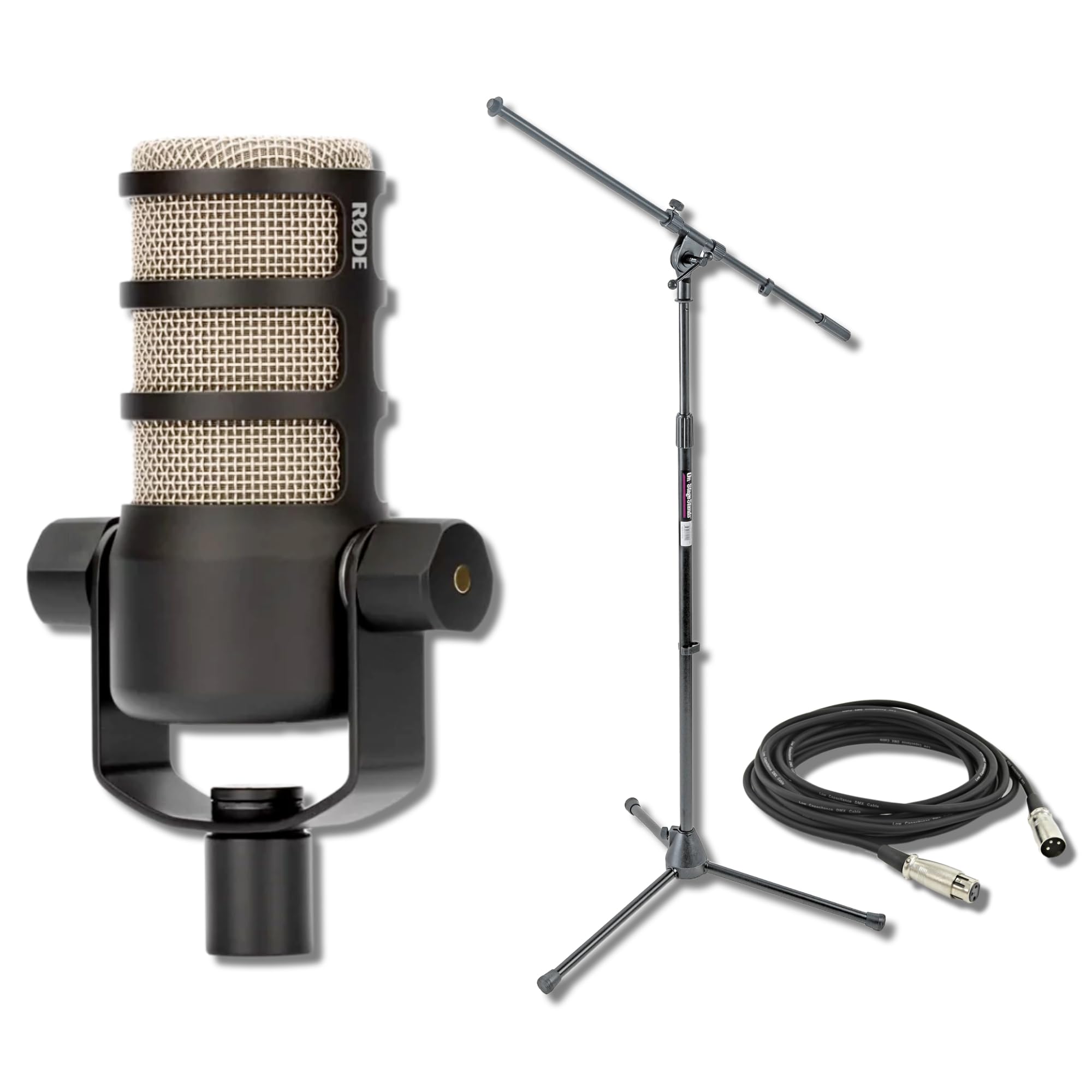
Consider the PodMic bundle if your setup is already XLR-based and the included floor stand and long cable suit your placement needs.
- This bundle pairs the Rode PodMic, which has an XLR-only output, with a tripod floor stand and a 20-foot balanced XLR cable.
- The Q9U supports both USB-C and XLR, giving it a direct computer recording path as well as an analog connection for an interface or mixer.
Is Samson Q9U Worth It?
The Samson Q9U is worth considering for podcasters, streamers, and home recordists who want the choice between direct USB-C recording and an XLR-based setup.
Its cardioid pickup, real-time monitoring, mute switch, and built-in wind and shock provisions make it a well-rounded option for voice-focused work.
Check the mounting and headphone details against your setup before buying, and choose it for the flexibility of its dual connection paths rather than assuming the mic alone will complete your recording rig.
Your review at a glance
600+ ratings
Read Amazon ReviewsSamson Q9U
A flexible dynamic microphone for podcasters, streamers, and home recordists who want direct USB recording alongside an XLR setup.
- Dynamic capsule with a neodymium magnet and XLR analog output plus USB-C.
- USB recording uses a built-in 24-bit/96 kHz analog-to-digital converter and works with Mac or Windows without driver downloads.
- Cardioid polar pattern designed to keep sound from the front prominent and reduce ambient pickup from other directions.
- Zero-latency headphone monitoring for hearing the microphone signal in real time.